Introduction
As Generative AI becomes an everyday tool for students, the University of California (UC) system and other elite institutions have significantly upgraded their “digital gatekeeping.” In 2026, the question is no longer if universities check for AI, but how sophisticated their detection methods have become.
If you are an applicant, the stakes are high. A flagged essay can lead to immediate disqualification. This guide explores the reality of AI detection in UC admissions, debunks common myths, and provides a blueprint for using AI safely without compromising your future.
The UC Stance: Authenticity is the New Gold Standard
In 2026, UC’s policy is crystalline: Your application must be your own. While the university recognizes AI as a research and brainstorming aid, they are firmly against “outsourced creativity.”
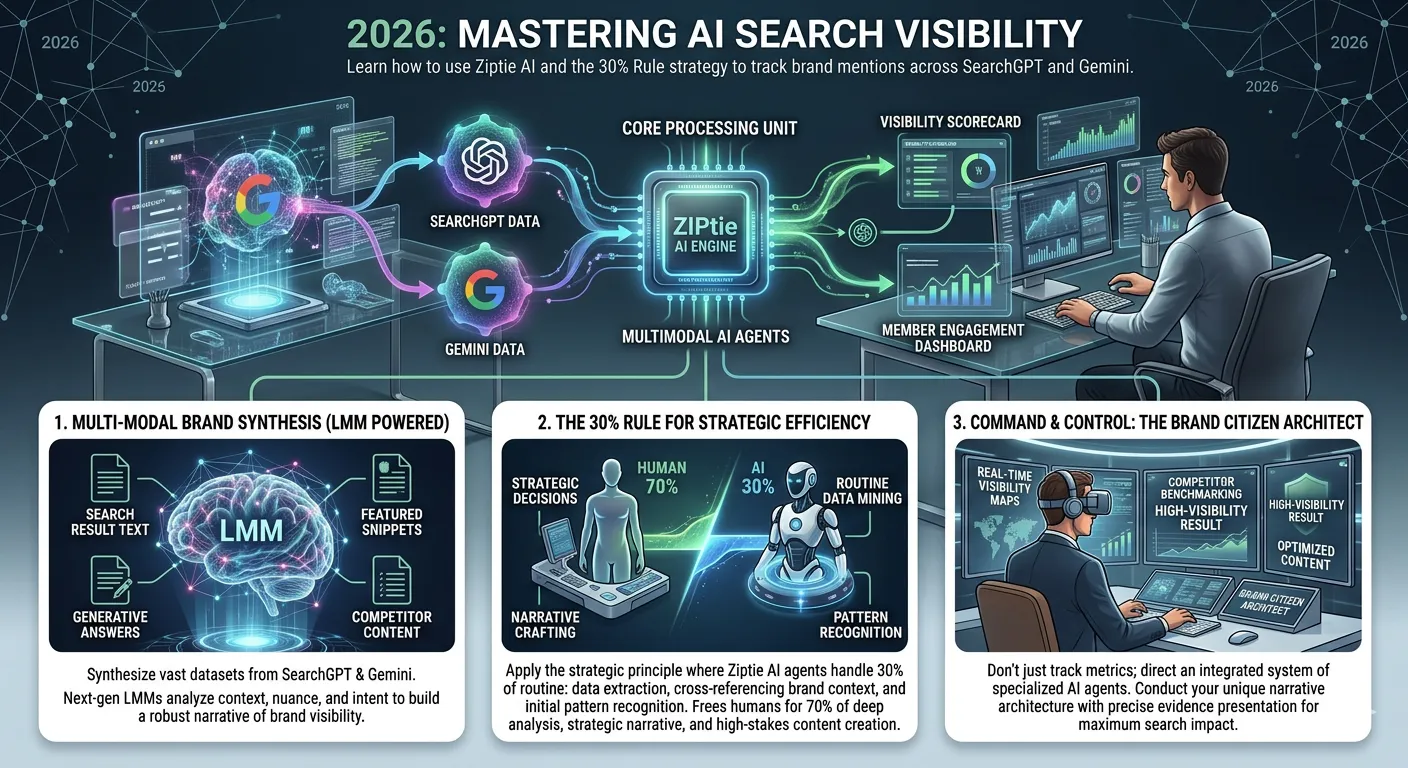
The Role of the 30% Rule: As we discussed in our Guide to the 30% Rule in AI, the key is balance. In the context of UC Personal Insight Questions (PIQs), AI should handle the structure and grammar (the 30%), while you provide the narrative and soul (the 70%). If the AI starts telling your story, you’ve crossed the line.
How UC Admissions Detects AI in 2026
Admissions offices no longer rely on a single “black box” detector. They use a multi-layered verification process:
- Advanced AI Classifiers: Tools like Turnitin AI and GPTZero have evolved. In 2026, they don’t just look for “AI words”; they analyze burstiness and perplexity—the mathematical randomness that makes human writing unique.
- The “Voice” Consistency Check: Admissions officers compare the tone of your essays with other parts of your application (like your extracurricular descriptions). If your essay sounds like a 40-year-old professor while your activity list sounds like a teenager, it triggers a manual review.
- Plagiarism vs. Synthesis: Even if an essay isn’t “plagiarized” from the web, detectors can identify if the logic follows a specific “LLM pattern” common in models like GPT-4o or Claude 3.5.
Debunking the Myth: The “9% UC Rule” and AI
A common misconception circulating in 2026 student forums is the “9% AI Threshold.” Many believe that as long as your AI score is below 9%, you are safe.
The Truth: The 9% UC Rule has nothing to do with AI. It refers to the “Eligible in the Local Context” (ELC) program, which guarantees a spot in the UC system for California residents who rank in the top 9% of their high school class.
There is no “safe percentage” for AI content. UC admissions prioritize the integrity of the message over a score from a detector tool.
2026 Survival Strategy: How to “AI-Proof” Your Essay
If you’ve used AI for help, follow these steps to ensure your integrity remains unquestioned:
- Maintain a “Paper Trail”: Write your essay in Google Docs and never disable the version history. If your work is ever questioned, you can prove the essay evolved word-by-word through your own effort.
- Inject “Human Anchors”: AI is terrible at describing internal emotional shifts. Don’t just say what happened; describe how your perspective changed. Personal vulnerability is the one thing AI cannot fake convincingly.
- Read it Aloud: AI writing often feels “weightless.” If you find yourself skipping over sentences because they sound too “perfect,” so will the admissions officer.
Conclusion: Technology is the Tool, You are the Author
In 2026, SearchGPT and other AI search engines are changing how we find information, but they haven’t changed what admissions officers value: Real human potential. Use AI as a mentor, not a ghostwriter.
Interactive Prompt: Have you ever had a piece of writing wrongly flagged by an AI detector? Or are you worried about using AI for your college apps? Let’s talk about the future of admissions in the comments below!