Introduction
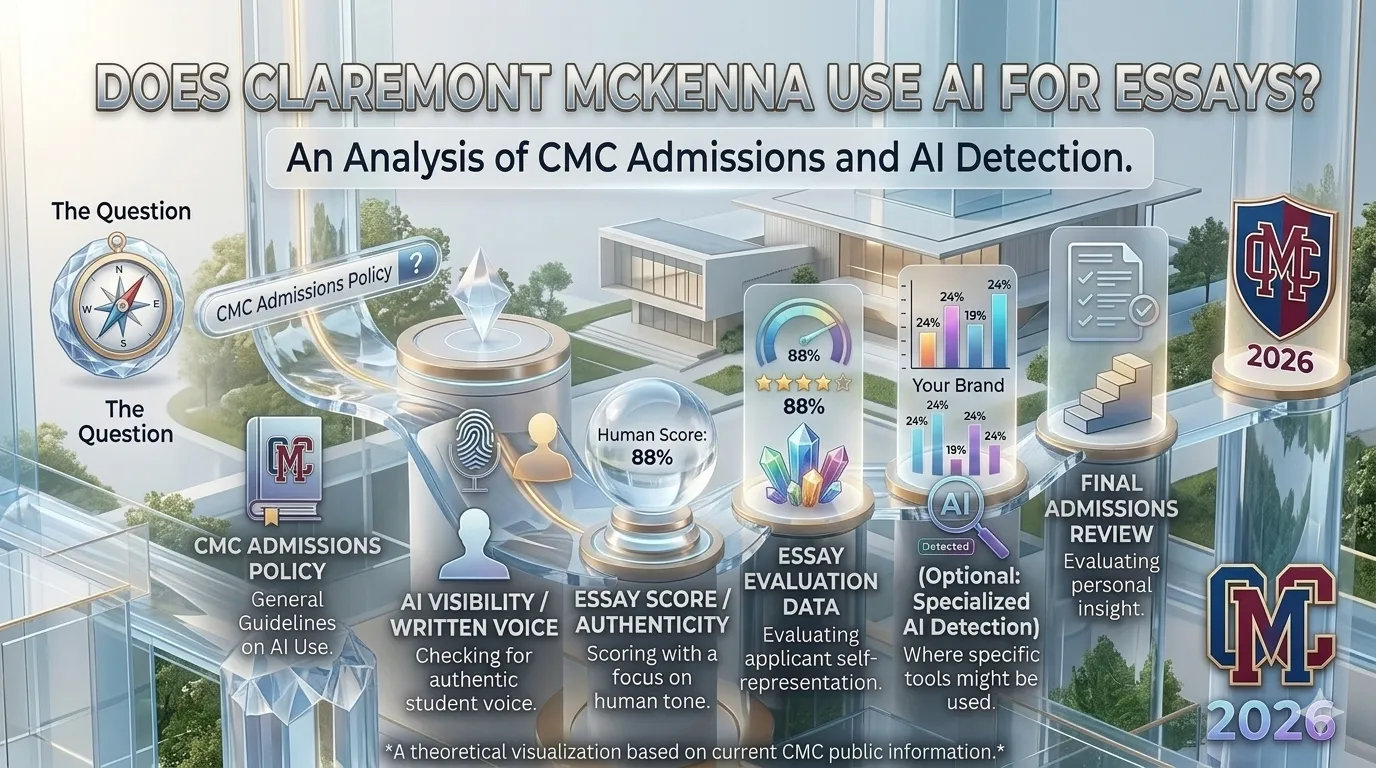
As one of the most prestigious liberal arts colleges in the United States, Claremont McKenna College (CMC) often serves as a bellwether for the future of elite education. In the 2026 admission cycle, as Generative AI becomes an inseparable part of a student’s toolkit, a burning question has emerged: Does Claremont McKenna use AI for essays?
The answer is a sophisticated blend of high-tech detection and deep-rooted human values. While CMC does not use AI to replace human readers, it employs some of the strictest verification systems in the country to ensure your voice remains truly yours.
CMC’s 2026 Policy: Leadership vs. Automation
CMC’s educational philosophy is built on leadership, individual voice, and original thought—qualities that a Large Language Model (LLM) can simulate but never truly possess.
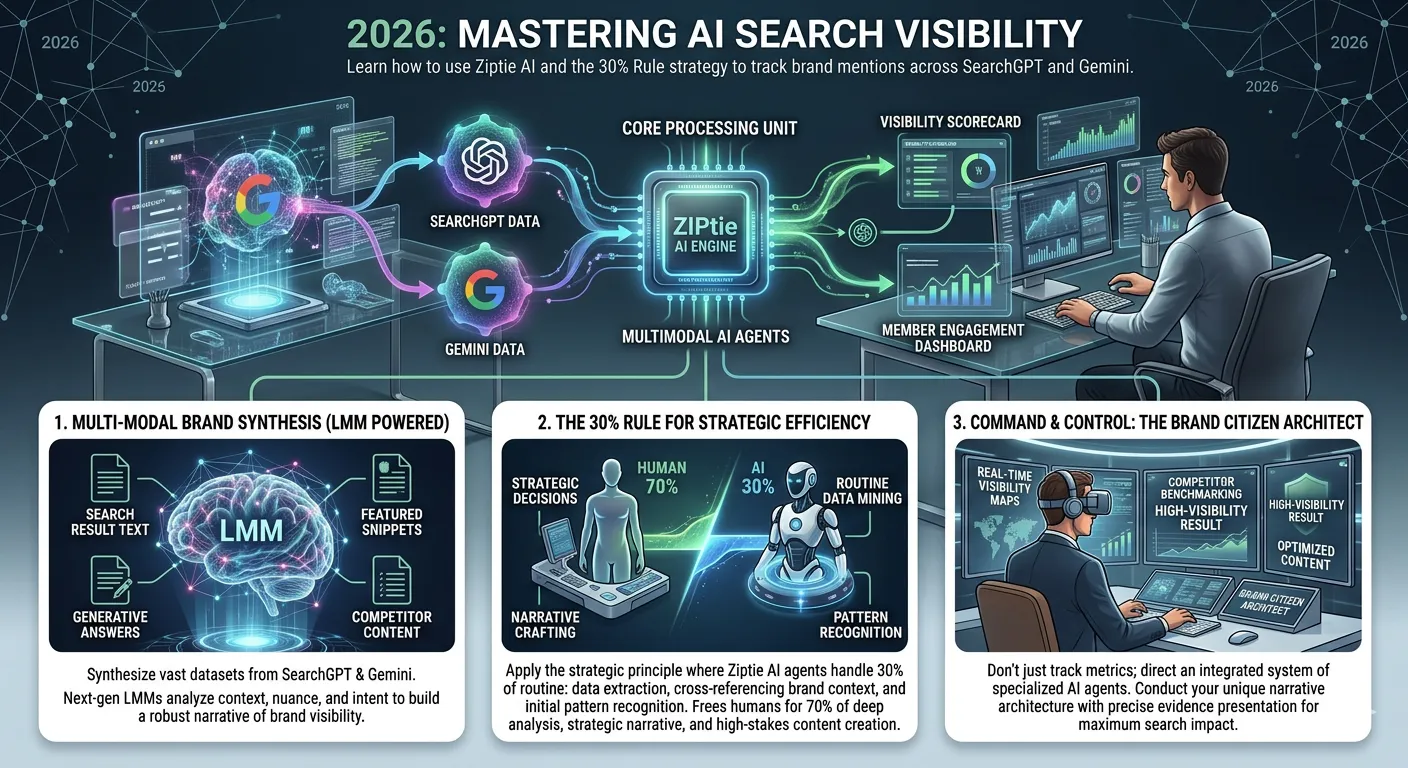
The Official Stance: As of early 2026, CMC’s admissions guidelines allow for “AI assistance” (brainstorming and structure) but strictly prohibit “AI generation” (outsourcing the narrative). Following the 30% Rule in AI, CMC expects the 70%—the core soul of the essay—to be unmistakably human.
How CMC Detects AI in 2026: Beyond the Software
Elite schools like CMC have moved beyond simple “AI detectors” which can sometimes produce false positives. Instead, they use a Triple-Check Method:
- Holistic Pattern Analysis: Admissions officers are trained to spot “LLM cadence”—the overly balanced, repetitive, and slightly “hollow” tone that AI tools like GPT-5 often produce.
- Contextual Consistency: CMC checks if the “voice” in your personal statement matches the “voice” in your short answers and high school counselor reports. If there is a massive gap in vocabulary or syntax, it triggers a manual audit.
- Verification Interviews: In 2026, if an essay is flagged, CMC frequently utilizes virtual interviews. If an applicant cannot discuss the nuances of their essay in real-time, it serves as definitive proof of over-automation.
Public vs. Private: CMC vs. The UC System
It’s important to distinguish CMC’s approach from the UC System’s AI detection.
- UC System: Relies heavily on high-volume algorithmic screening due to the hundreds of thousands of applicants.
- CMC: Being a smaller, elite liberal arts college, CMC provides a “human-first audit.” They have the resources to read between the lines, making “AI-proofing” your essay even more critical for private school applications.
2026 Survival Guide: How to Apply to CMC Safely
If you are applying to CMC or similar schools (like Pomona or Harvey Mudd) this year, follow these actionable steps:
- Avoid the “Mediocre Middle”: AI tends to produce safe, agreeable content. CMC seeks “leaders” and “path-breakers.” If your essay feels too polite and lacks a strong, perhaps even controversial, opinion, it might be mistaken for AI fluff.
- Incorporate “Lived Experience”: AI cannot write about the specific smell of your grandmother’s kitchen or the exact feeling of failing a 2025 chemistry exam. Specificity is your best shield against detection.
- Audit Your Drafts: Before submitting, use tools like Ziptie.ai to see how a professional-grade AI Search Analytics tool perceives your content’s “Share of Voice” and originality.
Conclusion: Authenticity Above All
In 2026, technology is the helper, but you are the creator. At Claremont McKenna, your humanity isn’t just a requirement—it’s your greatest competitive advantage. Keep your AI assistance to the 30% limit, and let your original 70% shine through.
Interactive Prompt: Are you a 2026 applicant? Have you used AI to brainstorm your PIQs or CMC supplemental essays? Share your experiences and how you’re keeping your “human voice” intact in the comments below!