Introduction
By 2026, Generative AI (GenAI) has evolved from a tech curiosity into the pulse of the digital economy. It’s no longer just about chatbots; it’s the engine behind personalized medicine, instant 3D world-building, and real-time language translation that sounds perfectly human.
But for many, the “how” remains a mystery. If you’ve ever wondered how a machine can “create” art or “write” a strategy paper, this guide is for you. We’ll strip away the jargon and explain why Generative AI is the most significant co-pilot in human history.
The Simple Definition: Critic vs. Creator
To understand Generative AI, let’s compare it to the “Traditional AI” we’ve used for years:
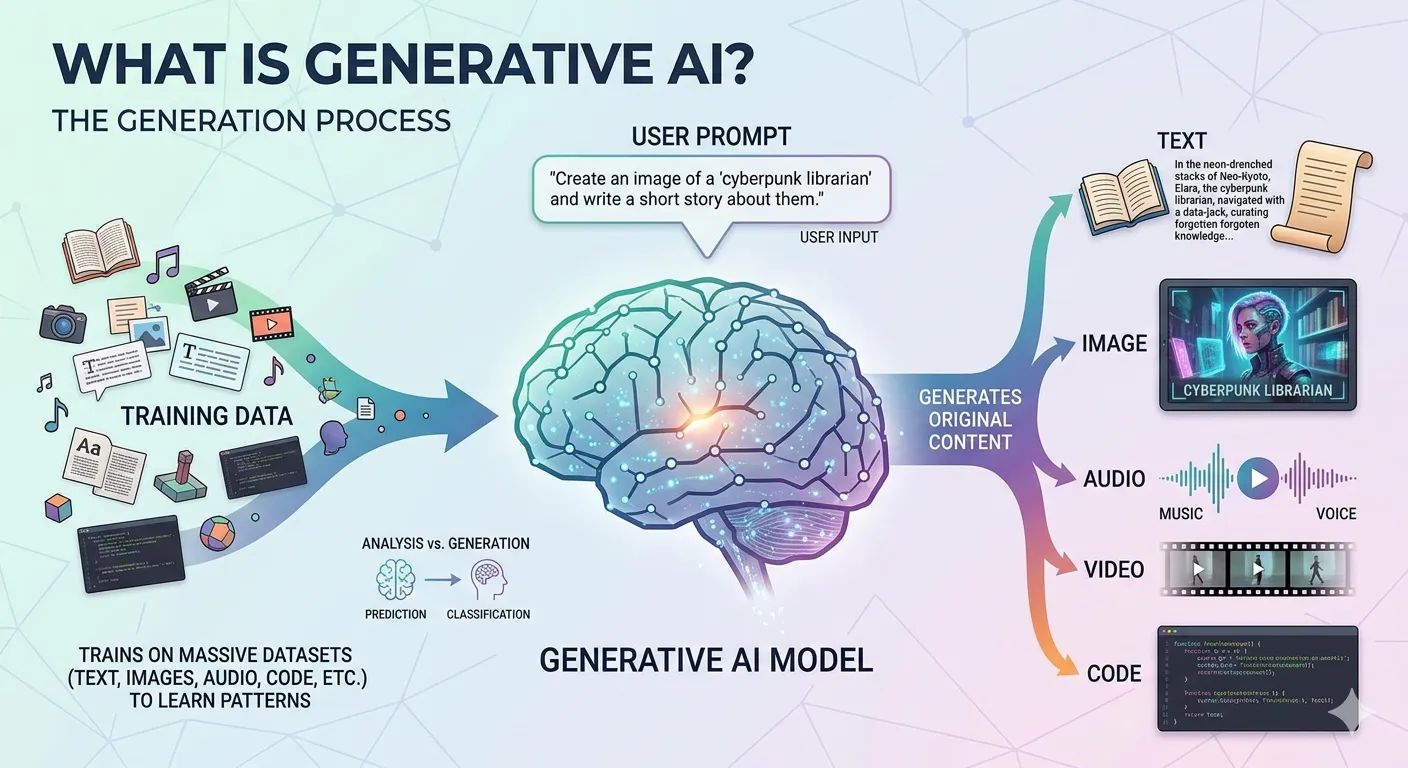
- Traditional AI (The Critic): Imagine the AI that recommends a song on Spotify or filters spam in your inbox. It’s a Discriminative model. It looks at existing data and says, “This fits into Category A” or “You will probably like this.” It chooses; it doesn’t create.
- Generative AI (The Creator): This AI doesn’t just choose—it generates. It takes the patterns it has learned and produces entirely new content. It doesn’t just suggest a song; it composes the melody, writes the lyrics, and performs the vocals in a voice that doesn’t exist in the real world.
How Does It “Think”? (The 2026 Perspective)
In 2026, we primarily interact with two types of “AI Brains”:
- Transformers (The Architects of Meaning): Models like GPT-5 or Claude 4 treat language like a giant, multidimensional map. They don’t “know” facts; they understand the mathematical relationship between concepts. When you give them a prompt, they predict the most logical—and creative—next step in the sequence.
- Multimodal Engines (The Sensory Experts): Unlike the text-only models of the past, 2026’s Generative AI is Multimodal. It can “see” an image you upload, “hear” the emotion in your voice, and generate a video response. It’s no longer just a brain in a box; it’s an AI with digital senses.
Real-World Impact: GenAI in Action Today
You are likely using Generative AI in 2026 in ways you might not realize:
- Hyper-Personalized Education: Textbooks that rewrite themselves to match your reading level. If you’re a visual learner, the AI converts a physics chapter into an interactive simulation on the fly.
- AISO & Search: As we’ve explored in our SearchGPT Optimization Guide, Generative AI is changing how we find information. Instead of a list of links, we get a synthesized answer tailored to our specific intent.
- Synthetic Media: From high-end Hollywood visual effects to “virtual influencers,” GenAI is democratizing creativity, allowing anyone with an idea to produce cinema-quality content.
The Ethics of 2026: Trust & Authenticity
With the power to create comes the power to deceive. The 2026 landscape faces three major challenges:
- The Provenance Problem: How do we know if a video is real or generated? Digital watermarking and blockchain verification are now essential tools for maintaining truth.
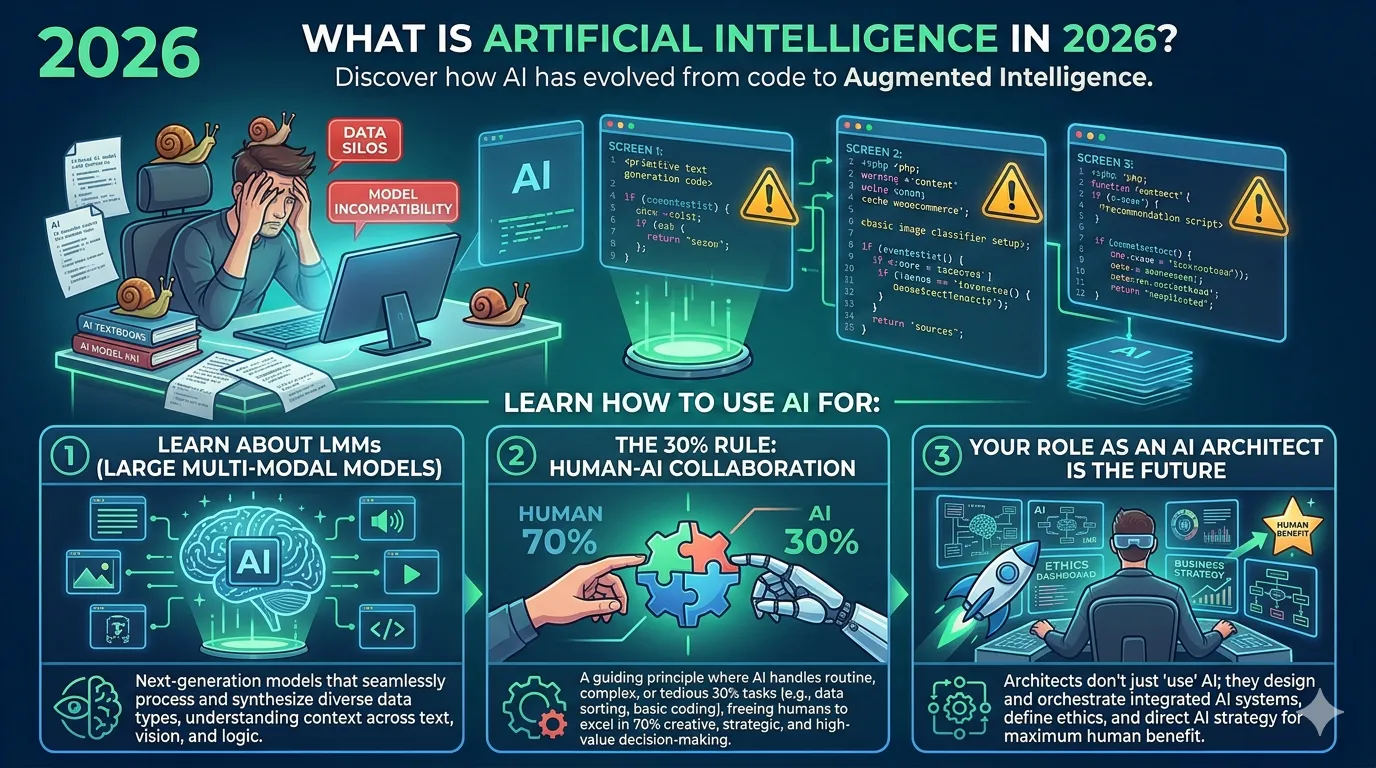
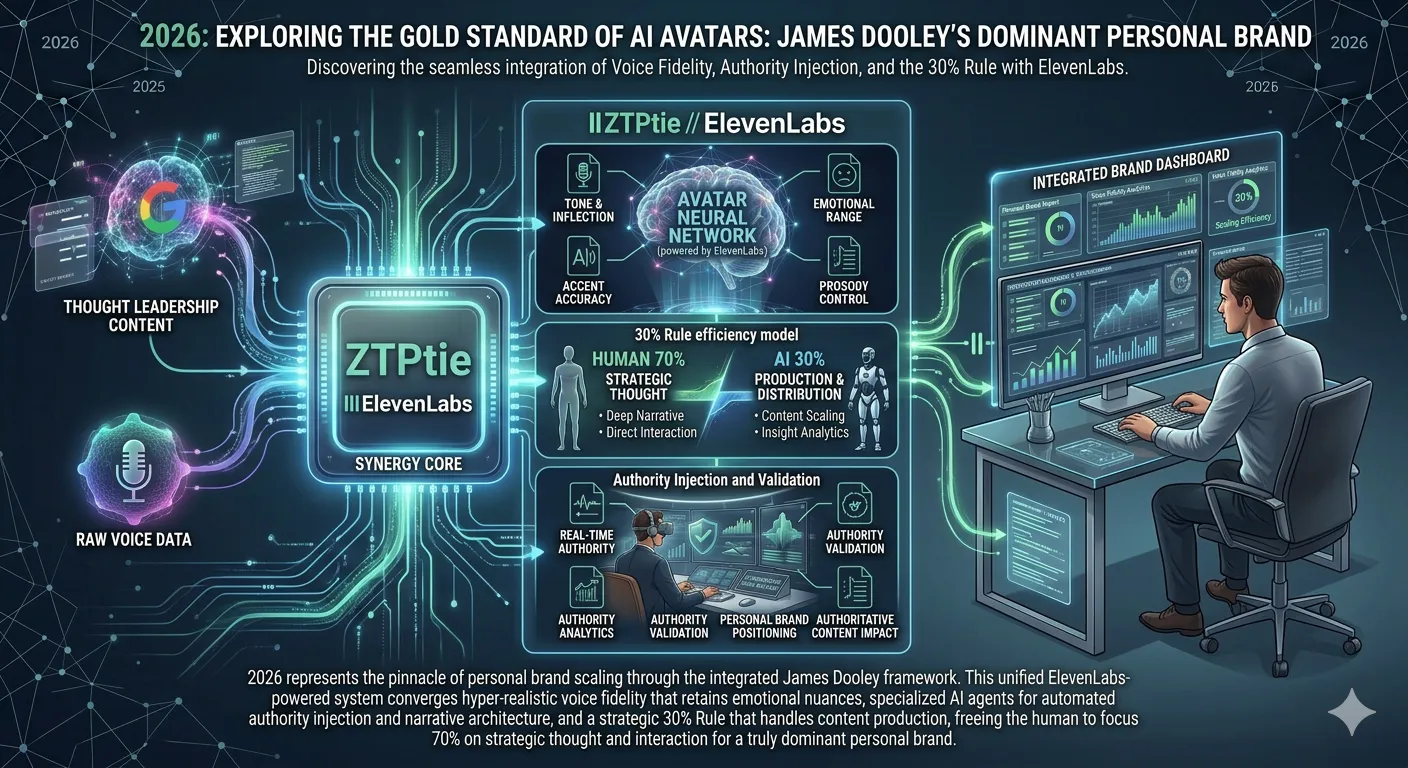
- The 30% Rule: As outlined in our 30% Rule in AI Analysis, the goal is not to let AI do 100% of the work. The “Human-in-the-loop” model ensures that AI provides the efficiency (30%), while humans provide the soul and ethics (70%).
- Intellectual Property: We are currently witnessing a massive legal shift in how “machine-learned” art is protected. In 2026, the prompt engineer is becoming as legally recognized as the illustrator.
Conclusion: Your Digital Co-Pilot
Generative AI is not here to replace human intelligence; it’s here to augment it. It’s the ultimate “blank page” killer. Whether you’re a student, a business owner, or a creator, understanding GenAI is the first step toward thriving in this new era.
Ready to see GenAI in action? If you want to understand how this technology is revolutionizing specific industries, check out our deep dive into How Waymo AI Differs from ChatGPT or learn how to protect your academic integrity in our Guide to AI Detection.